

The widespread adoption of digital signatures in the internal procedures or communication of businesses, which, in turn, leads to improvements in operational efficiency that result in cost savings, is a factor that positively influences the expansion of the market. In addition, a surge in the number of cyberattacks drives an increased demand for authentication and data protection, which fuels the expansion of the market in every region of the world. However, the expansion of the market is being hampered by a number of problems, including a high cost of investment as well as characteristics that make existing applications or systems resistant to change. On the other hand, advancements in technology, a growth in the acceptance of cloud-based solutions, and the introduction of new laws that promote the use of digital signatures are anticipated to offer lucrative chances for the expansion of the market over the course of the forecast period.
Businesses are set to undergo a revolutionary change as a result of the rising digitalization of workflow systems across a variety of industries. One of the most important aspects that is contributing to the expansion of the market is the widespread increasing acceptance of dematerialization among businesses. Paperless solutions come with a plethora of benefits, the most notable of which are increased workflow efficiency, convenience, and velocity. The use of electronic documents enables businesses to cut down on the money they spend on stationery. In a similar vein, it lessens the likelihood of losing a vital document and ensures that it will remain safe for an extended period of time. The requirement for electronic authorisation has been brought about as a result of the increasing popularity of paperless systems.
The environmental movement has been gaining momentum for the past decade all over the world, which has led to the transition of governments, corporate offices, and businesses towards paperless workflows, either in their entirety or in part. Several offices began adopting electronic documentation, which resulted in a significant reduction of the amount of paper used. Although eSign has been used in the business for a number of years now, COVID-19 has shown to be the reactant that has increased its acceptance the most. Electronic signatures offer a safe and dependable method for individuals located in different locations to sign approvals, contracts, and other documents in a quick and time-saving manner. The requirement to eliminate fraudulent activities and forged signatures is a significant issue that is driving demand for digital signatures. Scams involving electronic signatures and phishing assaults, both of which put a user's personal and financial information at risk, have increased along with the use of electronic signature services. These kinds of cyber attacks have increased the need of using digital signatures. The use of electronic signatures is governed by a number of different regulatory regimes. In the United States, for example, the Federal Reserve Bank, the Securities and Exchange Commission (SEC), and the Internal Revenue Service (IRS) have all issued guidelines about electronic signatures, which permits electronic signatures to be used on a greater number of forms, documents, and transactions than ever before.
In order to bring about digital transformation, digital signature solutions automate business operations. At the same time, consumers demand business processes to be easy to use, to be able to give flexible accessibility with high security, and to be compatible with all norms and regulations. The digital signature offers protection and increases the level of trust in a business process, making it an essential component of the transactional operations that occur in businesses. The technology of digital signatures is related to significant papers such as those that contain financial information, designs, information related to products and services, information related to defence strategies, policies related to the government, and other relevant documents. Using technology for digital signatures, small and medium-sized businesses are concentrating on meeting the needs of their regions. It varies from region to region whether or not the government's rules and regulations, as well as the judiciary's acceptance of digital signatures as witnesses or proofs. The many regions are each experiencing the emergence of new rules and regulations. The market for digital signatures is facing increasing difficulty as a result of shifting rules and regulations.
Report Coverage
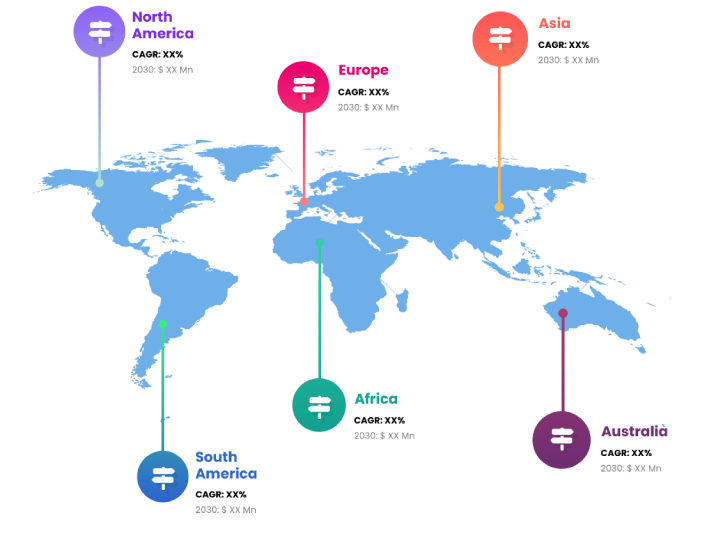
Global Digital Signature research report categorizes the market for global based on various segments and regions, forecasts revenue growth, and analyzes trends in each submarket. Global Digital Signature report analyses the key growth drivers, opportunities, and challenges influencing the global market. Recent market developments and Digital Signature competitive strategies such as expansion, product launch and development, partnership, merger, and acquisition have been included to draw the competitive landscape in the market. The report strategically identifies and profiles the key Digital Signature market players and analyses their core competencies in each global market sub-segments.
| REPORT ATTRIBUTES | DETAILS |
|---|---|
| Study Period | 2017-2030 |
| Base Year | 2022 |
| Forecast Period | 2022-2030 |
| Historical Period | 2017-2021 |
| Unit | Value (USD Billion) |
| Key Companies Profiled | Adobe (US), OneSpan (US), Thales (France), DocuSign (US), Ascertia (UK), Zoho (India), GlobalSign (US), Entrust (US), DigiCert (US), IdenTrust (US), Secured Signing (New Zealand), Symtrax (US), AlphaTrust (US), Notarius (US), Actalis (US), ComSignTrust (Israel), SignWell (US), SIGNiX (US), RNTrust (UAE), Bit4id (Italy), LAWtrust (South Africa), SigniFlow (UK), vintegrisTECH (Spain), Signicat (Norway), and Signority (Canada). |
| Segments Covered | • By Product |
| Customization Scope | Free report customization (equivalent to up to 3 analyst working days) with purchase. Addition or alteration to country, regional & segment scope |
Key Points Covered in the Report
- Market Revenue of Digital Signature Market from 2021 to 2030.
- Market Forecast for Digital Signature Market from 2021 to 2030.
- Regional Market Share and Revenue from 2021 to 2030.
- Country Market share within region from 2021 to 2030.
- Key Type and Application Revenue and forecast.
- Company Market Share Analysis, Digital Signature competitive scenario, ranking, and detailed company
profiles. - Market driver, restraints, and detailed COVID-19 impact on Digital Signature
Market
Competitive Environment:
The research provides an accurate study of the major organisations and companies operating in the global Digital Signature market, along with a comparative evaluation based on their product portfolios, corporate summaries, geographic reach, business plans, Digital Signature market shares in specific segments, and SWOT analyses. A detailed analysis of the firms' recent news and developments, such as product development, inventions, joint ventures, partnerships, mergers and acquisitions, strategic alliances, and other activities, is also included in the study. This makes it possible to assess the level of market competition as a whole.
List of Major Market Participants
Adobe (US), OneSpan (US), Thales (France), DocuSign (US), Ascertia (UK), Zoho (India), GlobalSign (US), Entrust (US), DigiCert (US), IdenTrust (US), Secured Signing (New Zealand), Symtrax (US), AlphaTrust (US), Notarius (US), Actalis (US), ComSignTrust (Israel), SignWell (US), SIGNiX (US), RNTrust (UAE), Bit4id (Italy), LAWtrust (South Africa), SigniFlow (UK), vintegrisTECH (Spain), Signicat (Norway), and Signority (Canada).
Primary Target Market
- Market Players of Digital Signature
- Investors
- End-users
- Government Authorities
- Consulting And Research Firm
- Venture capitalists
- Third-party knowledge providers
- Value-Added Resellers (VARs)
Market Segment:
This study forecasts global, regional, and country revenue from 2019 to 2030. INFINITIVE DATA EXPERT has segmented the global Digital Signature market based on the below-mentioned segments:
Global Digital Signature Market, By Component
Hardware
Software
Services
Global Digital Signature market, By Deployment Model
On-premises
Cloud
Global Digital Signature Market, By Industry Vertical
BFSI
Education
Human resource
IT & telecommunication
Government
Healthcare & life science
Real estate
Others
Global Digital Signature market, Regional Analysis
- Europe: Germany, Uk, France, Italy, Spain, Russia, Rest of Europe
- The Asia Pacific: China,Japan,India,South Korea,Australia,Rest of Asia Pacific
- South America: Brazil, Argentina, Rest of South America
- Middle East & Africa: UAE, Saudi Arabia, Qatar, South Africa, Rest of Middle East & Africa
You will get in-depth and extensive digital signature market market research and competitor analysis for your business to help you develop more profound insights into the digital signature market Market.
Through INFINITIVE Data Expert is a professional Market Research services, I will identify the digital signature market market size, demand & opportunities, growth rate, and target audience with a comprehensive analysis of your competitors.